Altitude Sickness in Nepal: Guide & Prevention Tips
- soleencounters
Why Understanding Altitude Sickness is Crucial in Nepal
Trekking in Nepal offers incredible Himalayan scenery and cultural immersion, but it also comes with the challenge of altitude sickness, especially on high-altitude treks such as the Everest Base Camp Trek, Annapurna Circuit, or Manaslu Circuit. Known medically as Acute Mountain Sickness (AMS), this condition can affect anyone, regardless of age or fitness level.
Table of Contents
Whether you’re trekking through the Khumbu region or exploring remote trails like the Upper Mustang or Langtang Valley, knowing how to recognize, prevent, and treat altitude sickness is vital to your health and overall experience. At Sole Encounters Trekking Pvt. Ltd., our priority is to ensure your adventure is not only memorable but also safe.
For more Himalayan experiences, explore our Trekking in Nepal collection.
What is Altitude Sickness?
Altitude sickness, or AMS, occurs when the body struggles to adapt to lower oxygen levels at higher elevations—typically above 2,500 meters (8,200 feet). As you ascend, the air gets thinner and your body needs time to acclimatize.
There are three types of altitude-related illnesses:
-
AMS (Acute Mountain Sickness) – Mild to moderate symptoms.
-
HAPE (High-Altitude Pulmonary Edema) – Fluid in the lungs, potentially fatal.
-
HACE (High-Altitude Cerebral Edema) – Fluid in the brain, a life-threatening emergency.
Common Symptoms of Altitude Sickness
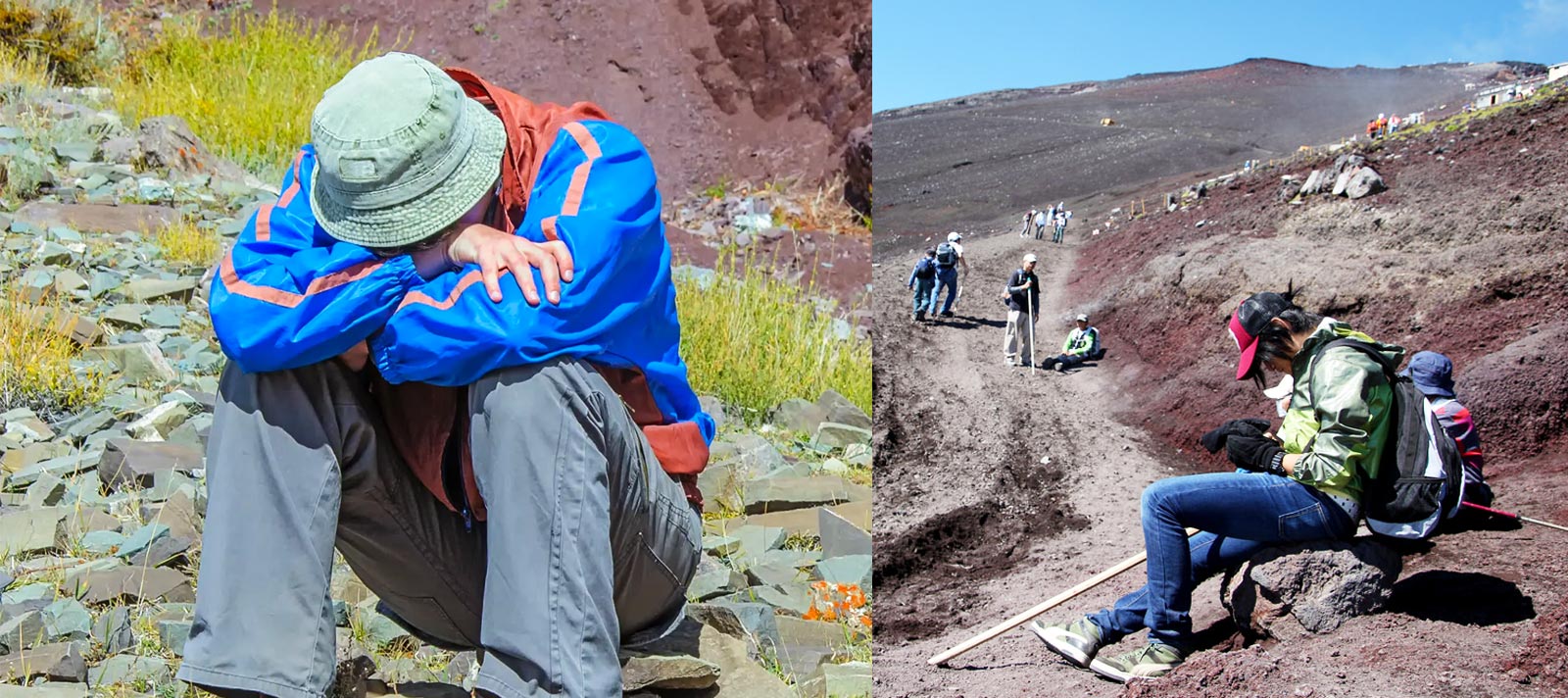
Symptoms often appear within 6 to 24 hours of reaching high altitudes. Recognizing them early can prevent escalation.
Mild to Moderate AMS Symptoms:
-
Headache (most common early sign)
-
Nausea or loss of appetite
-
Fatigue or dizziness
-
Shortness of breath during exertion
-
Difficulty sleeping
Severe AMS, HAPE or HACE Indicators:
-
Confusion or poor coordination
-
Chest tightness or persistent coughing
-
Blurred vision
-
Vomiting
-
Loss of consciousness (in extreme cases)
If symptoms worsen or persist despite rest and hydration, descent is crucial.
Where You Might Experience Altitude Sickness in Nepal
Altitude sickness is common on treks reaching or exceeding 3,000 meters. Popular high-altitude trekking destinations include:
-
Everest Base Camp Trek (up to 5,364m) – Trip Link
-
Annapurna Circuit Trek (Thorong La Pass at 5,416m)
-
Manaslu Circuit Trek (Larkya La at 5,160m) – Trip Link
-
Langtang Valley Trek (up to 4,984m) – Trip Link
-
Three Passes Trek (multiple passes over 5,000m)
Even moderate treks like Gokyo Lakes or Mardi Himal can involve significant elevation gain.
How to Prevent Altitude Sickness in Nepal
1. Ascend Gradually
Avoid rapid elevation gain. Limit your ascent to no more than 300–500m per day once above 3,000m. Include acclimatization days in your itinerary.
2. Hydration
Drink at least 3–4 liters of water daily. Avoid alcohol and caffeine in excess, as they dehydrate your body.
3. Proper Nutrition
Eat balanced meals rich in carbohydrates to provide energy and aid acclimatization.
4. Recognize Early Signs
Don’t ignore symptoms. Mild AMS can develop into life-threatening conditions quickly.
5. Medication
Consider using Diamox (Acetazolamide) to aid acclimatization. Always consult with a physician before using any altitude medication.
6. Travel with a Trained Guide
Guides from Sole Encounters are trained to identify AMS symptoms and take appropriate action. They help monitor your health, adjust pace, and advise when to rest or descend.
Remedies and Treatment for Altitude Sickness
If you or your trekking partner shows signs of AMS, follow these steps:
Immediate Steps:
-
Stop ascending immediately
-
Rest and hydrate
-
Take medication (if prescribed)
If symptoms worsen:
-
Descend at least 500–1,000 meters
-
Use supplemental oxygen (if available)
-
Seek medical assistance or helicopter evacuation in emergencies
Best Time to Minimize Risk of AMS
Choose trekking seasons with more stable weather and milder conditions:
-
Spring (March to May) – Gradual snowmelt and warmer days
-
Autumn (September to November) – Dry trails, clear skies, and comfortable temperatures
Avoid monsoon (June to August) and peak winter (December to February) when weather conditions can exacerbate altitude-related issues.
Why Trekking with Sole Encounters Helps
Choosing a reputable company like Sole Encounters Trekking Pvt. Ltd. gives you a significant safety advantage:
-
Expert local guides and porters
-
Carefully designed itineraries with proper acclimatization
-
Emergency evacuation coordination
-
Focus on ethical and responsible trekking
Explore our full list of Trekking in Nepal trips or reach out to our team via the contact page for personalized trekking advice.
Conclusion: Stay Informed, Trek Safely
Trekking in Nepal’s majestic Himalayas is a life-changing experience—but understanding and preparing for altitude sickness is essential to making it safe and enjoyable. With the right approach, guidance, and awareness, you can avoid complications and focus on the adventure.
Let Sole Encounters Trekking Pvt. Ltd. guide you safely to your Himalayan dream. From Everest to Manaslu, your journey deserves expert care and local insight.
Recent Posts
.jpg)
3rd Jul, 2025
.jpg)
4th Jul, 2025
.jpg)
4th Jul, 2025
.jpg)
7th Jul, 2025
.jpg)
8th Jul, 2025
.jpg)
8th Jul, 2025
.jpg)
8th Jul, 2025

10th Jul, 2025